(Word count: ~755)
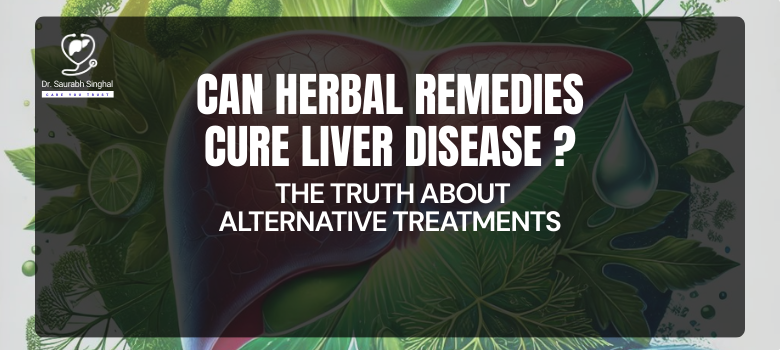
You’ve probably seen ads or heard stories about natural cures for liver problems—things like milk thistle, turmeric, or special herbal mixes promising to detox or heal the liver. It’s tempting, especially when conventional treatments feel heavy. But let’s have an honest chat: while some herbs have interesting properties, they aren’t magic fixes for serious liver conditions, and in advanced cases, you might need to explore proven options like a liver transplant in Delhi from a trusted expert.
Many people turn to alternatives hoping to avoid meds or surgery. Herbs like milk thistle (with its compound silymarin) have been studied for antioxidant effects and possible liver protection in some cases, like supporting recovery from certain toxins. Turmeric’s curcumin gets attention for reducing inflammation. Traditional practices have used these for centuries, and small studies suggest mild benefits for things like fatty liver or mild damage.
But here’s the reality check: No strong, large-scale evidence shows these herbs can cure advanced liver disease, reverse cirrhosis, or replace proven medical care. In fact, some natural supplements can harm the liver—high doses of turmeric extracts have caused issues in reports, and untested mixes might contain contaminants or interact badly with transplant meds.
Myth: Herbal remedies are always safe and better than drugs.
Not necessarily. What works for one person might hurt another, especially if liver function is already weak. Delaying real treatment (like managing hepatitis, diabetes, or considering transplant when needed) can let problems worsen.
Myth: They can fully heal end-stage liver failure.
Unfortunately, no. For advanced scarring or failure, only medical interventions—like lifestyle fixes early on or transplant later—offer real hope. Herbs might support general wellness but aren’t substitutes.
If you’re exploring options, the safest path is talking openly with your doctor. They can guide on what might complement care (e.g., moderate turmeric in food) without risks. And for serious cases where transplant becomes the path to recovery, expert teams make all the difference—liver transplant in Delhi provides access to that level of specialized, evidence-based support.
Your liver deserves the best—stick to what’s proven, ask questions, and get personalized advice. Small, consistent steps with trusted guidance go further than unproven promises.
If you are considering a liver transplant in Delhi, consult Dr. Saurabh Singhal, Director & Head of the Centre for Liver-GI Diseases and Transplantation (CLDT) at Aakash Healthcare, Dwarka. With over 2200 successful transplants to his credit, he and his team are dedicated to guiding families every step of the way. 📞 Book an appointment today to understand how your family can prepare for this life-changing journey.