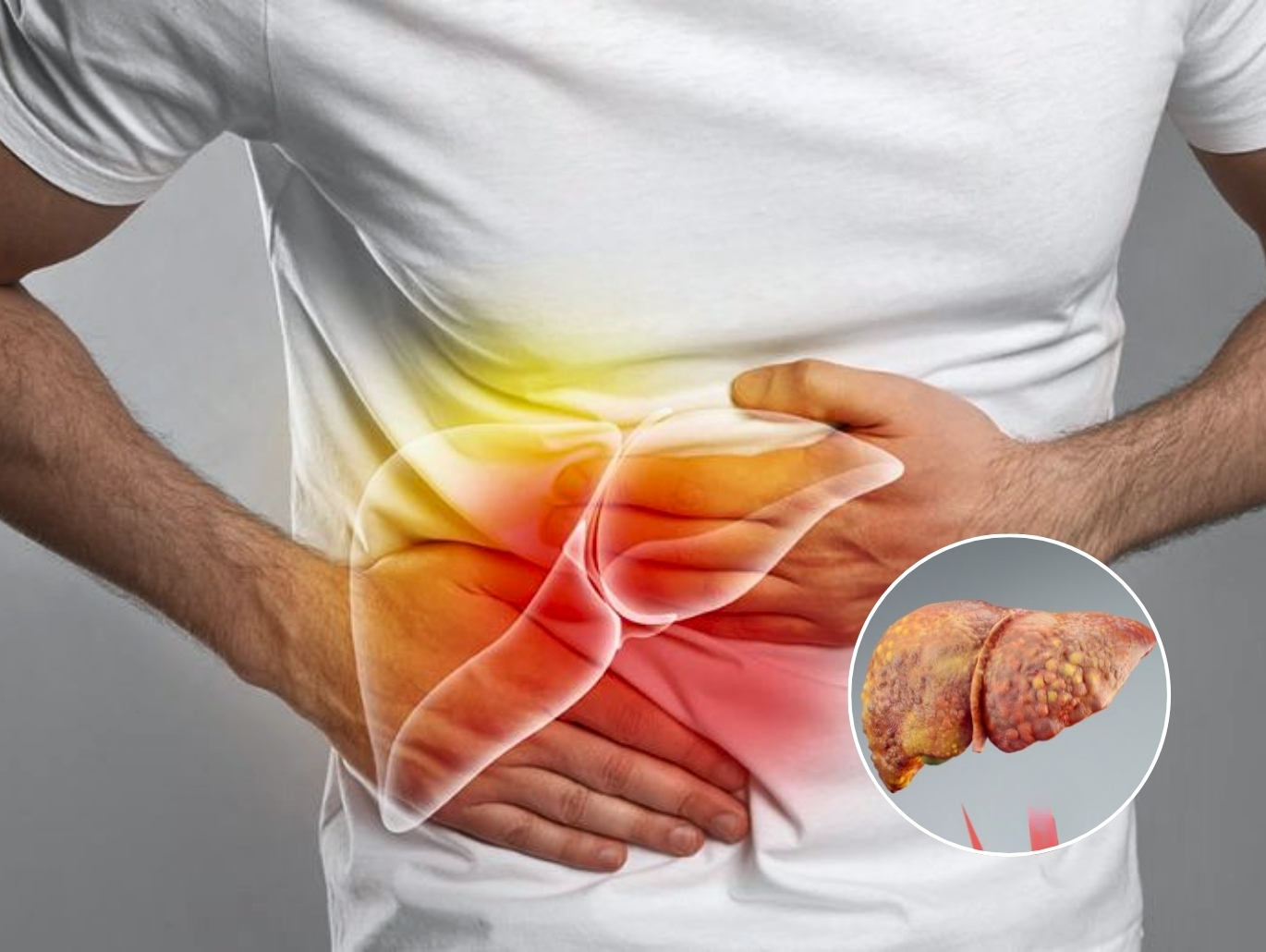
Fatty liver has become one of the most common liver conditions today. Many people discover it accidentally during a routine health checkup or ultrasound and assume it’s nothing serious. In the early stages, that assumption may be partly true—but ignoring fatty liver for years can sometimes lead to severe liver damage.
Patients often ask a very honest question: Can fatty liver really become serious enough to require a transplant? The answer is yes—but not everyone with fatty liver reaches that stage. Understanding how the disease progresses is the key to prevention.
What Exactly Is Fatty Liver?
Fatty liver happens when excess fat accumulates in liver cells. There are two major types:
- Alcoholic fatty liver disease
- Non-alcoholic fatty liver disease (NAFLD), often linked to obesity, diabetes, or high cholesterol
In its early stage, fatty liver usually causes no symptoms. Many people feel completely normal, which is why it often goes unnoticed.
When Does Fatty Liver Become Dangerous?
Fatty liver progresses in stages:
- Simple fatty liver
- NASH (inflammation begins)
- Fibrosis (scar tissue formation)
- Cirrhosis (severe scarring and liver damage)
It is usually at the cirrhosis stage that the liver begins to lose its ability to function properly.
Symptoms at this stage may include:
When cirrhosis progresses to liver failure, doctors may start evaluating whether a liver transplant in Delhi is necessary.
Can Fatty Liver Be Reversed?
Yes—especially in the early stages.
Lifestyle changes can significantly improve liver health:
- Gradual weight loss
- Diabetes and cholesterol control
- Regular exercise
- Limiting alcohol
- Eating a balanced, nutrient-rich diet
Many patients see improvement within months of making consistent changes.
How Do Doctors Decide If a Transplant Is Needed?
A transplant is considered when:
- The liver is severely damaged
- Complications of cirrhosis appear
- Medical treatment is no longer effective
Doctors use blood tests, imaging, and scoring systems to evaluate liver function and determine the right time for intervention.
Early evaluation at a specialized center performing liver transplant in Delhi helps improve outcomes and survival.
Why Early Monitoring Matters
One of the biggest challenges with fatty liver is that people ignore it until symptoms appear—and symptoms often appear late.
Regular checkups help track progression and allow timely treatment. Many patients who manage fatty liver early never reach the transplant stage.
Conclusion
If you are considering a liver transplant in Delhi, consult Dr. Saurabh Singhal, Director & Head of the Centre for Liver-GI Diseases and Transplantation (CLDT) at Aakash Healthcare, Dwarka. With over 2200 successful transplants to his credit, he and his team are dedicated to guiding families every step of the way.
📞 Book an appointment today to understand how your family can prepare for this life-changing journey.