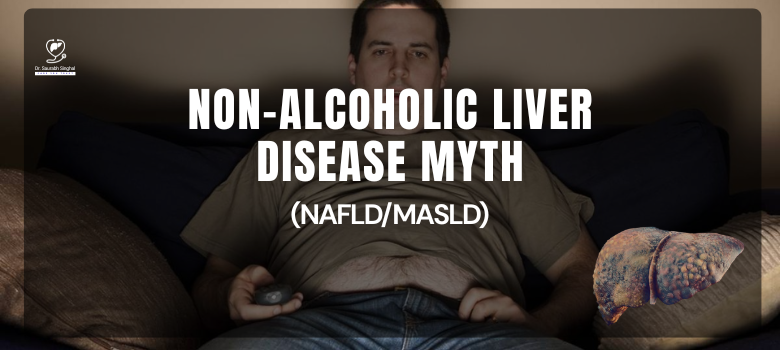
If you’ve recently heard the term fatty liver from your doctor or during a routine checkup, you’re not alone. In India, non-alcoholic fatty liver disease (often called NAFLD or the newer term MASLD) is becoming really common, especially in cities where lifestyle changes have crept in. Many people worry it’s a big deal or brush it off as just some extra fat. But let’s talk openly about what it really means, clear up some common myths, and help you understand when it’s time to pay closer attention—especially since advanced cases might lead to considering a liver transplant in Delhi for the best care.<.b>
First things first: NAFLD happens when extra fat builds up in your liver cells, even if you don’t drink much or any alcohol. It’s tied more to things like extra weight, diabetes, high cholesterol, or a diet heavy in processed foods and sugars. The good news? In its early stages, it’s often reversible with simple changes. But ignoring it can lead to bigger problems down the line.
Myth 1: It’s only for people who drink a lot.
Not true at all. This is one of the biggest misunderstandings. NAFLD is specifically the non-alcoholic kind—it’s driven by metabolic issues, not alcohol. In fact, many fit-looking people or those who rarely drink get diagnosed during scans for other reasons.
Myth 2: No symptoms mean no problem.
The liver is quiet—it doesn’t complain much until things get advanced. You might feel tired, have mild discomfort on the right side, or nothing at all. That’s why it’s called a silent condition. By the time symptoms show up strongly, damage like inflammation (NASH), scarring (fibrosis), or even cirrhosis might already be happening.
Myth 3: It’s harmless and won’t progress.
While many cases stay mild, a good number do move forward if lifestyle isn’t addressed. In India, studies show NAFLD affects a large chunk of adults, and it’s now a leading reason for serious liver issues. The risk jumps with obesity, uncontrolled sugar levels, or poor eating habits.
So when should you worry and act? If routine tests show raised liver enzymes, an ultrasound picks up fatty changes, or you have risk factors like diabetes or being overweight, don’t wait. Early checks can stop progression. Simple steps like eating more veggies and whole foods, walking daily, losing even 5-10% of body weight, and managing blood sugar make a huge difference.
For some folks where NAFLD advances to cirrhosis or liver failure, more advanced care becomes necessary. That’s where options like liver transplant in Delhi come in as a life-saving step—but the goal is always to catch and manage things much earlier.
In the middle of all this, remember: knowledge is your best tool. Regular checkups, honest talks with your doctor, and small daily habits can keep your liver happy for years. If you’re dealing with fatty liver concerns or want to know your risks, reaching out early makes everything easier.
If you are considering a liver transplant in Delhi, consult Dr. Saurabh Singhal, Director & Head of the Centre for Liver-GI Diseases and Transplantation (CLDT) at Aakash Healthcare, Dwarka. With over 2200 successful transplants to his credit, he and his team are dedicated to guiding families every step of the way. 📞 Book an appointment today to understand how your family can prepare for this life-changing journey.